
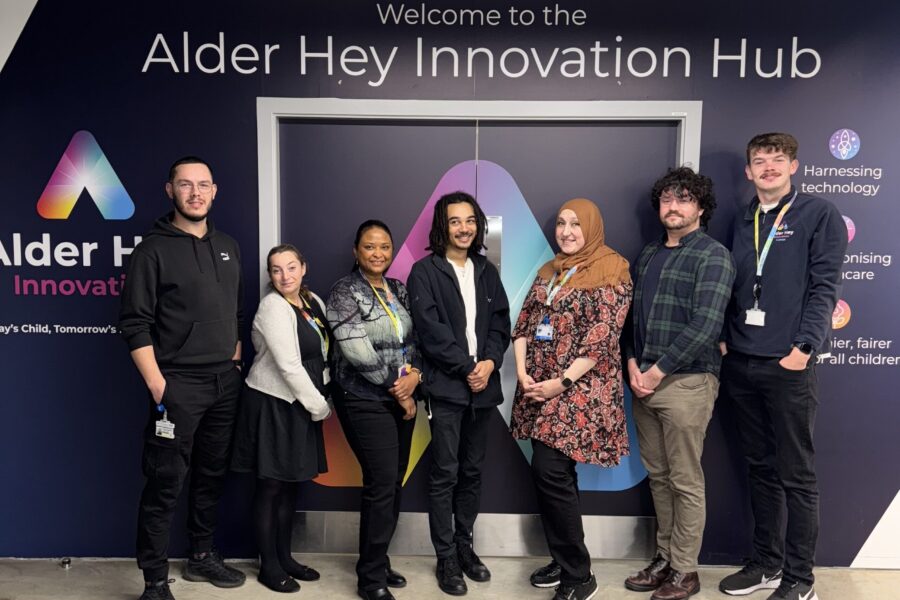
In just 4 weeks, Alder Hey’s Robotic Process Automation (RPA) team completed a major step for the Neurodevelopment Transformation Programme. The team brought together two separate assessment pathways and combined them into one single Neurodevelopment service.
Previously the Autism Spectrum Disorder (ASD) and the Attention Deficit hyperactivity Disorder (ADHD) assessment pathways have always been two separate services. Both had their own individual pathways and waitlists, which covered more than 14,800 referrals and over 7,400 patient accounts.
Without RPA’s use of automation, the project would have required months of manual administrative tasks undertaken by staff, which would have also introduced a higher risk of error and duplication.
The Neurodevelopment service will provide a faster, more personalised approach to care, benefitting children, young people and their families. The service combines the assessment and diagnosis of the two conditions in one single pathway, reducing administrative workload, freeing up time for staff time and clinical care.
Benefits will not only be felt by children, young people and their families, they will also be felt by staff and services. The service will now become standardised, improving quality and consistency in assessments, notes and follow up documentation. Moreover, the service will become more sustainable, with fewer missed or duplicated appointments, reducing costs and supporting the long-term service improvement.